Scaffold a RAG Chat App with the .NET AI Templates
One dotnet new command gives you a Blazor chat-with-your-data app — vector search, document ingestion, citations, and Azure OpenAI wired up on keyless auth.
categories
Click a filter to scope results to what I've built or knowledge hub.

One dotnet new command gives you a Blazor chat-with-your-data app — vector search, document ingestion, citations, and Azure OpenAI wired up on keyless auth.

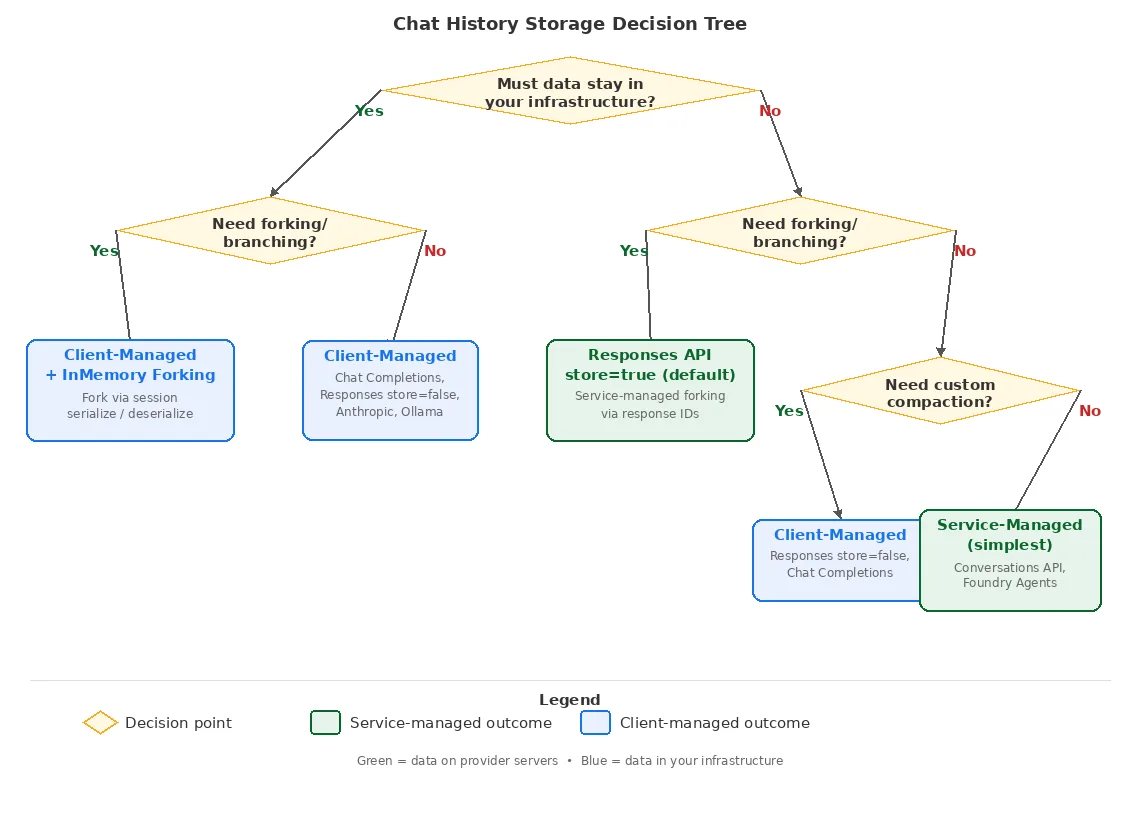
Where does the conversation history live? That one decision shapes your agent's cost, privacy, portability, and UX. Here's how service-managed and client-managed storage differ — and how Microsoft Agent Framework abstracts both behind one programming model.

A .NET console chat app in one Program.cs file — using Microsoft.Extensions.AI so the OpenAI model behind it is a swappable detail, not a lock-in.

Run a model on your own machine during development, swap to Azure OpenAI in production — same code. Here's how Aspire and Ollama make local AI a registration detail, not a rewrite.

Build a full-stack TODO app — ASP.NET Core API, SQLite, and a Vite React front-end — all wired together and run with a single F5 by .NET Aspire. Step by step, from empty folder to running app.

Stop memorising Copilot features and start with a real task from your backlog. Here's how I split work between chat and agentic flows across Visual Studio, VS Code, the CLI, and the cloud agent.

Four libraries cover almost everything you'll do with AI in .NET. Here's how Microsoft.Extensions.AI, VectorData, the Agent Framework, and MCP fit together — without juggling vendor SDKs.

AI agents waste tokens on filler words you never read. Caveman is a Claude Code skill that rewires how your agent speaks — same technical depth, 65% fewer output tokens, works in Claude Code and GitHub Copilot.

Before I let any AI agent touch my codebase, I make it show me a plan. Here's how that one habit changed my workflow — and why the benefits go far deeper than 'fewer bugs'.

Claude Code stores context in CLAUDE.md files and an auto-memory system. Here's the mental model and practical patterns for keeping it clean and useful across sessions.

MCP servers plug external tools into Claude Code — query your database, search Notion, browse Linear, control a browser. Here's how to add and configure them.

Claude Code subagents are independent AI workers for scoped tasks like search, planning, and security review. Here's when to use them and how to author your own.

Hooks in Claude Code fire shell commands at lifecycle events — before tool runs, after edits, on session start. The escape hatch for linting, formatting, and gating risky actions.

Claude Code is keyboard-first — the built-in shortcuts let you interrupt agents, paste multi-line prompts, scroll diffs, and switch modes. Full cheat sheet.

Slash commands are Claude Code's direct control surface for session state, memory management, and custom workflows. Full built-in reference plus how to author your own.

Claude Code is Anthropic's agentic CLI that reads your repo, edits files, and runs tests from the terminal. This guide covers installation, setup, and your first session.

GitHub Copilot CLI brings agentic AI directly to your terminal — write code, run tests, and fix errors without context-switching. Here's how to set it up.

Your AI outputs are only as good as your inputs. Here's how I use prompt engineering techniques to get consistently strong results from ChatGPT, Copilot, and image generators.
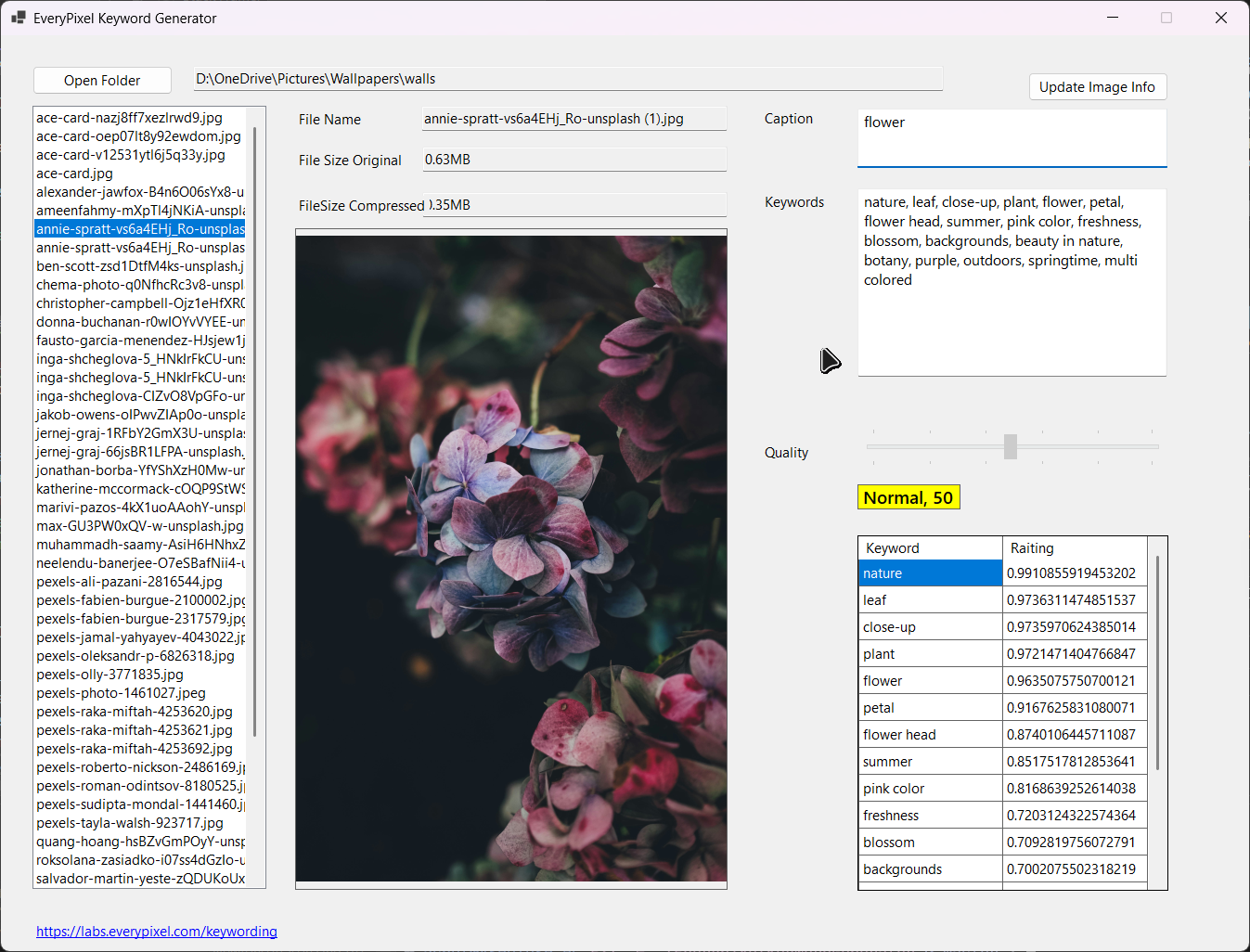
A practical workflow and tool setup for generating relevant, high-intent image keywords using Everypixel, helping creators and stock contributors improve discoverability and metadata quality.